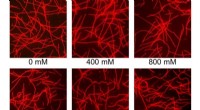
* Cytoskeleton: This intricate network of protein filaments is like the cell's internal scaffolding. It provides structural support, giving the cell its shape and helping it maintain its integrity. It also plays a crucial role in cell movement, division, and the transport of substances within the cell. The cytoskeleton is made up of three main components:
* Microtubules: These long, hollow tubes are essential for maintaining cell shape, transporting substances within the cell, and forming structures like cilia and flagella that enable movement.
* Microfilaments: These thin, solid filaments are involved in cell movement, muscle contraction, and the division of the cytoplasm during cell division.
* Intermediate filaments: These tough, rope-like filaments provide structural support and help cells withstand stress.
* Cell Membrane (Plasma Membrane): This thin, flexible barrier surrounds the cell and regulates what enters and exits. It's made up of a phospholipid bilayer, which acts as a selective barrier, allowing only certain molecules to pass through. The cell membrane also plays a role in cell signaling and communication with other cells.
While the cytoskeleton and cell membrane are the primary contributors to cell shape and protection, other structures can also contribute:
* Cell Wall (in plants, fungi, and some bacteria): This rigid, outer layer provides structural support and protection against osmotic stress.
* Extracellular Matrix (in animals): This complex network of proteins and carbohydrates surrounds cells and provides structural support, helps cells adhere to each other, and plays a role in tissue development and repair.
Therefore, the cell's shape and protection are the result of a complex interplay of these various structures.