Here are some examples of autotrophs:
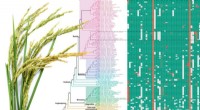
* Plants: They use photosynthesis to convert sunlight, water, and carbon dioxide into glucose (sugar) for energy.
* Algae: Similar to plants, algae also use photosynthesis.
* Cyanobacteria: These bacteria also perform photosynthesis.
* Some bacteria: Certain bacteria can produce their own food using chemosynthesis, which involves converting chemicals from their environment into energy.
So, to answer your question, plants, algae, cyanobacteria, and some bacteria are all autotrophs.