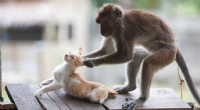
1. Motor Imitation: This is the ability to observe and copy the actions of others. It's a crucial skill for learning and social interaction.
* Mechanism: The brain uses mirror neurons, which fire both when we perform an action and when we see someone else perform it. This allows us to understand and replicate the observed movements.
* Examples: A child learning to ride a bike by watching their parent, or a dancer copying the steps of their instructor.
2. Motor Memory: This is the ability to remember and reproduce learned motor skills, like riding a bike or playing a musical instrument.
* Mechanism: Involves practice and repetition, which strengthens neural pathways responsible for the skill.
* Examples: Being able to tie your shoes without thinking, or playing a song on the piano from memory.
3. Motor Control: This is the ability to plan, initiate, and execute movements smoothly and accurately.
* Mechanism: Involves complex neural networks in the brain that receive sensory input, process it, and send signals to muscles.
* Examples: Walking, writing, reaching for an object, and any other voluntary movement.
4. Motor Learning: This is the process of acquiring and improving motor skills through practice and experience.
* Mechanism: Involves changes in brain structure and function, as well as adaptations in muscle and skeletal systems.
* Examples: Learning to play a new sport, mastering a new dance routine, or improving your handwriting.
Please provide more context if you can, and I'll be able to give you a more specific answer about what "motor reproduction" might refer to in your situation.