Here's how it works:
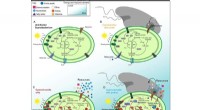
* Glycolysis: This process occurs in the cytoplasm, not the mitochondria, but it's the first step in breaking down glucose (a simple sugar) into pyruvate.
* Krebs Cycle (Citric Acid Cycle): Pyruvate enters the mitochondria and is further broken down in the Krebs cycle. This produces some ATP (energy), but mostly electron carriers (NADH and FADH2).
* Electron Transport Chain: The electron carriers deliver their electrons to the electron transport chain, located in the inner mitochondrial membrane. This chain uses the energy from the electrons to pump protons across the membrane, creating a concentration gradient.
* ATP Synthesis: The concentration gradient drives the flow of protons back across the membrane through ATP synthase. This flow powers the production of ATP, the main energy currency of the cell.
So, while glycolysis starts in the cytoplasm, the mitochondria are the powerhouse of the cell, completing the process of converting simple sugars into usable energy in the form of ATP.