1. Energy Production (ATP):
* Interaction with Glucose: Mitochondria utilize glucose, a simple sugar, as fuel to produce ATP (adenosine triphosphate), the primary energy currency of the cell. Glucose is broken down in the cytoplasm through glycolysis, producing pyruvate. This pyruvate then enters the mitochondria, where it is further broken down in the Krebs cycle and electron transport chain to generate ATP.
* Interaction with Oxygen: The electron transport chain, which takes place in the inner mitochondrial membrane, requires oxygen as the final electron acceptor. Without oxygen, ATP production slows down dramatically.
2. Calcium Signaling:
* Interaction with the Endoplasmic Reticulum (ER): Mitochondria and the ER are intimately connected. The ER can release calcium ions (Ca2+) into the cytoplasm, and mitochondria have specialized channels to take up these calcium ions. This calcium influx triggers various processes within the mitochondria, influencing energy production and apoptosis (programmed cell death).
3. Apoptosis (Programmed Cell Death):
* Interaction with Caspases: Mitochondria play a crucial role in apoptosis, a process of controlled cell death. When a cell receives signals to die, mitochondria release proteins like cytochrome c into the cytoplasm, activating caspase enzymes that dismantle the cell.
4. Cellular Metabolism:
* Interaction with other Organelles: Mitochondria work in tandem with other organelles like the cytoplasm and the nucleus. They receive signals from the nucleus, which contain the cell's genetic information, about the cell's energy demands.
5. Other Functions:
* Production of Heat: In some organisms, mitochondria produce heat through a process called thermogenesis.
* Synthesis of Steroid Hormones: Mitochondria are involved in the synthesis of some steroid hormones, like estrogen and testosterone.
* Regulation of Cell Growth and Development: Mitochondria play a role in regulating cell growth and development through their influence on energy production and signaling pathways.
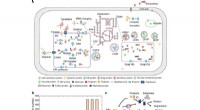
Overall, mitochondria are like a bustling hub within the cell, constantly interacting with other organelles and processes. They are vital for energy production, calcium signaling, cell death, and a variety of other essential cellular functions.