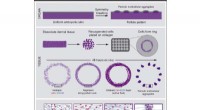
Similarities:
* Both provide structural support: Both the cell wall and cell membrane contribute to the cell's shape and integrity.
* Both act as barriers: They both regulate the passage of molecules in and out of the cell, protecting the cell from its surroundings.
* Both are present in many organisms: Most prokaryotes (bacteria and archaea) and plant cells possess a cell wall, while both plant and animal cells have a cell membrane.
Differences:
| Feature | Cell Wall | Cell Membrane |
|---|---|---|
| Location | Outermost layer in plants and prokaryotes | Innermost layer in all cells |
| Structure | Rigid, composed of cellulose, chitin, or peptidoglycan | Flexible, composed of phospholipid bilayer with embedded proteins |
| Function | Provides structural support and protection, regulates cell growth | Regulates the passage of molecules, maintains cell shape, and facilitates cell communication |
| Permeability | Less permeable, acts as a filter | More permeable, allows for selective transport |
| Presence | Found in plants, bacteria, fungi, and some protists | Found in all living cells |
In summary:
* The cell wall is a rigid, outermost layer providing structural support and protection, acting as a filter for molecules.
* The cell membrane is a flexible, innermost layer responsible for regulating the passage of molecules, maintaining cell shape, and facilitating cell communication.
While both structures share some similarities, they have distinct roles in the overall functioning of the cell.