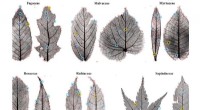
* Adaptability: Genetic diversity means a population has a wider range of traits. When the environment changes, some individuals will have traits that are advantageous for survival in the new conditions. This increases the chances of at least some individuals surviving and passing on those beneficial traits.
* Disease Resistance: A diverse gene pool makes it harder for a single disease to wipe out an entire population. Some individuals will be more resistant due to their unique genetic makeup.
* Reduced Inbreeding: Closely related individuals (like siblings) are likely to share the same harmful mutations. Genetic diversity helps reduce the chances of these harmful mutations becoming more common in a population.
An example: Imagine a population of birds with only one type of beak, perfectly adapted to cracking open a specific type of seed. If the environment changes and that seed becomes scarce, this bird population is in trouble. But, if there are birds with different beak shapes, some might be able to exploit other food sources, giving them a better chance of survival.
In summary: Genetic diversity is like having a "safety net" for a population. It ensures that even when the environment changes or diseases strike, there will be some individuals with the traits needed to survive and reproduce, keeping the species going.