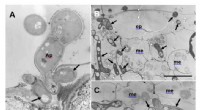
1. Ribosomes: These tiny, non-membrane-bound organelles are responsible for protein synthesis. They read the genetic code from messenger RNA (mRNA) and translate it into a chain of amino acids, forming proteins.
2. Endoplasmic Reticulum (ER): This extensive network of interconnected membranes comes in two forms:
* Rough ER: Studded with ribosomes, it plays a crucial role in protein folding, modification, and transportation.
* Smooth ER: Lacking ribosomes, it's involved in lipid and steroid synthesis, detoxification, and calcium storage.
3. Golgi Apparatus: This organelle consists of flattened, stacked sacs called cisternae. It receives proteins and lipids from the ER, further processes and modifies them, and packages them into transport vesicles for delivery to other organelles or secretion outside the cell.
4. Lysosomes: These membrane-bound vesicles contain powerful digestive enzymes that break down waste materials, worn-out organelles, and engulfed bacteria or viruses.
5. Peroxisomes: These small, membrane-bound organelles are involved in various metabolic reactions, including the breakdown of fatty acids and the detoxification of harmful substances.
6. Mitochondria: These powerhouse organelles are responsible for cellular respiration, the process that converts glucose into ATP (adenosine triphosphate), the main energy currency of cells.
7. Vacuoles: These large, fluid-filled sacs are particularly prominent in plant cells. They play a role in maintaining cell shape, storing nutrients and water, and regulating cell volume.
8. Centrosomes: These structures, usually found near the nucleus, are responsible for organizing microtubules, which are important for cell division and intracellular transport.
9. Cytoskeleton: This intricate network of protein filaments provides structural support, enables movement, and helps maintain cell shape. It consists of three main types of filaments: microfilaments, intermediate filaments, and microtubules.
Important Note: Some of these organelles, like ribosomes, are also found in prokaryotic cells (cells without a nucleus), but they often have simpler structures.
This list represents the major organelles found in the cytoplasm. However, there are other smaller structures and molecules present as well, all contributing to the complex and dynamic nature of this cellular compartment.