1. Universal Genetic Code:
* All living organisms, from bacteria to humans, use the same basic genetic code, translating DNA into proteins. This universality suggests a common ancestor from which all life descended.
* While there are slight variations in the code across species, they are remarkably consistent, hinting at a shared origin and subsequent evolution.
2. Homologous Proteins and Enzymes:
* Proteins with Similar Structures and Functions: Many proteins, such as cytochrome c (involved in cellular respiration) or ribosomal proteins, have remarkably similar structures and functions across diverse species. This suggests they evolved from a common ancestor and have been conserved throughout evolutionary history.
* Degree of Similarity Reflects Evolutionary Relationships: The more similar the protein sequences are between two species, the more closely related they are likely to be. This provides a molecular clock for tracking evolutionary time.
3. Metabolic Pathways:
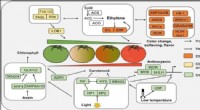
* Shared Biochemical Pathways: Fundamental metabolic pathways, like glycolysis (breaking down glucose for energy) and the citric acid cycle, are remarkably similar across all organisms. This suggests they evolved early in life and have been conserved due to their vital importance.
* Variations in Pathways Reflect Adaptation: While basic metabolic pathways are shared, variations exist between species. For example, photosynthetic organisms have unique pathways for utilizing light energy, reflecting their adaptation to specific environments.
4. Molecular Clocks:
* Mutations Accumulate at a Relatively Constant Rate: Changes in DNA sequences occur at a fairly predictable rate. These mutations can act as a molecular clock, allowing scientists to estimate the time since two species diverged from a common ancestor.
* Calibrated Clocks Provide Time Estimates: By comparing the DNA sequences of different species and accounting for the mutation rate, scientists can estimate the time of divergence, providing valuable insights into evolutionary relationships.
5. Vestigial Genes and Pseudogenes:
* Non-Functional Genes with Evolutionary History: Some organisms possess non-functional genes that are homologous to functional genes in other species. These "vestigial genes" or "pseudogenes" are remnants of genes that were functional in their ancestors but are no longer needed.
* Evidence of Gene Loss: These non-functional genes provide evidence of the loss of certain functions during evolution, supporting the idea of descent with modification.
6. Evolutionary History of Enzymes:
* New Functions from Existing Genes: Enzymes often evolve new functions through mutations. By studying the structure and function of enzymes, scientists can trace their evolutionary history and understand how they have adapted to new environments and metabolic requirements.
* Enzyme Evolution Reflects Changing Environments: The diversity of enzymes in different species reflects the varied selective pressures they have faced throughout their evolution.
Conclusion:
Biochemistry offers a powerful suite of tools for understanding evolution. By examining the similarities and differences in the molecular machinery of life, scientists can reconstruct the history of life and illuminate the processes of adaptation, diversification, and the shared ancestry of all living things.