1. Classification is based on evolutionary relationships:
* Phylogenetic Classification: Modern classification systems aim to group organisms based on their evolutionary history, reflecting their shared ancestry. This is called phylogenetic classification.
* Shared Ancestor: Organisms are grouped together because they share a common ancestor. The closer the shared ancestor, the more closely related the organisms are.
* Evolutionary Relationships: Classification systems reveal evolutionary relationships, showing which groups diverged from each other earlier or later in evolutionary history.
2. Evolution provides evidence for classification:
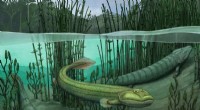
* Fossil Record: Fossils provide evidence of extinct species and their relationships to modern organisms, helping to reconstruct evolutionary lineages.
* Comparative Anatomy: Similarities in anatomical structures, like bone structures or organ systems, point to shared ancestry.
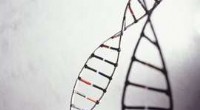
* Molecular Evidence: Comparing DNA and protein sequences provides strong evidence for evolutionary relationships, even among organisms that appear very different outwardly.
3. Classification helps us understand evolution:
* Identifying Trends: Classifying organisms allows us to identify patterns and trends in evolution. For example, we can see how certain traits evolve over time within a lineage.
* Predicting Evolutionary Relationships: Classification helps to predict evolutionary relationships between organisms that haven't been fully studied yet.
* Understanding Diversification: By classifying organisms, we can better understand how life has diversified and adapted to different environments over millions of years.
4. Ongoing refinements:
* Dynamic Process: Classification is not static. As new evolutionary evidence emerges, the classification system is constantly being refined and updated to reflect our evolving understanding of life's history.
* New Discoveries: New discoveries of organisms or fossil evidence can lead to significant changes in our understanding of evolutionary relationships and, therefore, classification.
In summary:
Classification and evolution are inextricably linked. Classification reflects our understanding of evolutionary relationships, while evolution provides the evidence for classification. This dynamic interplay helps us to better understand the incredible diversity of life on Earth and how it came to be.