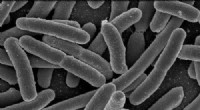
1. Basic Unit of Life: Cells are the smallest, most basic units of life. They are self-contained, meaning they can carry out all the processes essential for life, including:
* Metabolism: Taking in nutrients, converting them into energy, and eliminating waste.
* Reproduction: Creating copies of themselves.
* Response to stimuli: Reacting to changes in their environment.
* Growth and development: Increasing in size and complexity.
2. Organization and Structure: Multicellular organisms are built from collections of specialized cells that work together. This organization creates tissues, organs, and organ systems, enabling complex functions.
3. Continuity of Life: Cells arise only from pre-existing cells. This principle explains how life has persisted and evolved over billions of years. Every cell in your body, for example, traces its lineage back to a single fertilized egg.
Exceptions to the Cell Theory:
While the Cell Theory is generally accepted, there are a few exceptions:
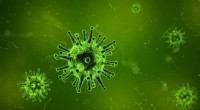
* Viruses: These are not considered living organisms because they lack the cellular machinery to reproduce on their own. They require a host cell to replicate.
* Prions: These are infectious proteins that can cause disease, but they are not considered living organisms either.
In summary: The Cell Theory is a cornerstone of biology because it explains the fundamental building block of all living organisms. The fact that every organism is made up of one or more cells highlights the remarkable unity of life and the incredible complexity that arises from the simplest unit of life.