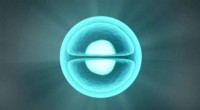
Imagine a bustling city with specialized buildings, each performing a crucial role for the city's smooth operation. Now imagine that city is a single cell, and the buildings are its intracellular structures. These tiny, organized compartments within a cell are essential for life, performing specific functions to maintain the cell's survival, growth, and overall health.
Here's a breakdown of some key intracellular structures:
1. Nucleus: The control center of the cell. It houses the DNA, which contains the genetic blueprint for the cell's functions and characteristics. The nucleus also directs the synthesis of proteins, the workhorses of the cell.
2. Ribosomes: Tiny factories responsible for protein synthesis. They read the genetic code from the DNA and assemble amino acids into proteins, following instructions from the nucleus.
3. Endoplasmic Reticulum (ER): A network of interconnected membranes that acts as a transportation system within the cell. It has two forms:
* Rough ER: Studded with ribosomes, it helps with protein folding and modification.
* Smooth ER: Synthesizes lipids and steroids, detoxifies the cell, and stores calcium ions.
4. Golgi Apparatus: A stack of flattened, membrane-bound sacs that further processes and packages proteins from the ER. It also creates lysosomes and secretory vesicles for transporting molecules outside the cell.
5. Lysosomes: The recycling centers of the cell. They contain powerful enzymes that break down waste products, worn-out organelles, and engulfed bacteria.
6. Mitochondria: The powerhouses of the cell. They convert nutrients into usable energy (ATP) through cellular respiration, providing energy for all cellular processes.
7. Cytoskeleton: A network of protein fibers that provides structural support, helps with cell movement, and organizes organelles within the cell.
8. Cell Membrane: The protective outer layer of the cell, regulating what enters and exits the cell. It's composed of a phospholipid bilayer with embedded proteins.
9. Vacuoles: Large, fluid-filled sacs that store water, nutrients, and waste products. They also help maintain cell turgor and regulate internal pressure.
10. Chloroplasts (in plant cells): Sites of photosynthesis, capturing light energy and converting it into chemical energy stored in sugar molecules.
Note: This is not an exhaustive list, but it covers some of the most important intracellular structures. Each cell type contains a unique combination of these structures depending on its specialized function.
Understanding these tiny factories within our cells is essential for understanding how life works at its most fundamental level. It also provides valuable insights into health and disease, as many diseases arise from dysfunction within these intracellular structures.