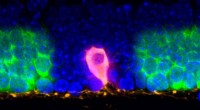
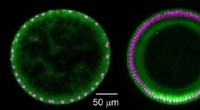
Phagocytes are a type of white blood cell that engulf and digest foreign substances, such as bacteria, viruses, and cellular debris. They are a crucial part of the immune system, acting as the first line of defense against infection.
Here's a breakdown:
* "Phago" comes from the Greek word for "eat"
* "Cyte" refers to a cell
Types of Phagocytes:
* Neutrophils: The most common type of phagocyte, they quickly arrive at the site of infection to engulf and destroy bacteria.
* Macrophages: Larger and longer-lived than neutrophils, macrophages engulf a wider variety of substances, including cellular debris, and play a role in initiating the immune response.
* Dendritic cells: These cells are specialized for capturing antigens (foreign substances) and presenting them to other immune cells to initiate a specific immune response.
How Phagocytes Work:
1. Recognition: Phagocytes recognize foreign substances through specific receptors on their surface.
2. Engulfment: The phagocyte surrounds and engulfs the foreign substance, forming a phagosome.
3. Fusion: The phagosome fuses with lysosomes, which contain enzymes that break down the foreign substance.
4. Digestion: The enzymes digest the foreign substance, rendering it harmless.
Phagocytosis is a vital process for maintaining our health by:
* Fighting infections
* Removing cellular debris
* Clearing up dead cells
* Promoting wound healing
Let me know if you have any more questions!