Here's why:
* Surface area to volume ratio: As cells grow larger, their surface area increases at a slower rate than their volume. This means that a large cell would have a difficult time getting enough nutrients in and waste products out.
* Diffusion limitations: The movement of substances within a cell relies on diffusion, which is less efficient over longer distances. A large cell would have difficulty transporting nutrients and removing waste products effectively.
* Genetic limitations: The genetic material (DNA) within a cell has a finite capacity to control cellular processes. A large cell would require significantly more genetic information and complex regulatory mechanisms.
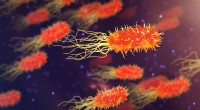
Instead of growing large, single-celled organisms like bacteria reproduce through cell division, creating many small cells that can efficiently take in nutrients and expel waste.
What about multicellular organisms?
Multicellular organisms, like fish, are made up of many cells that have specialized functions. They overcome the limitations of size by:
* Cellular specialization: Different cells perform specific tasks, allowing for efficient division of labor.
* Organ systems: Groups of specialized cells form organs that work together to perform complex functions.
* Circulatory systems: Multicellular organisms have systems for transporting nutrients and removing waste, overcoming the diffusion limitations of large cells.
In short, single-celled organisms like bacteria are limited in size by fundamental biological constraints, while multicellular organisms have evolved mechanisms to overcome these limitations and achieve larger sizes.