1. Transcription:
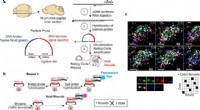
- DNA, which contains the genetic code for proteins, is transcribed into messenger RNA (mRNA).
- This happens in the nucleus of the cell.
- The mRNA carries the genetic code from the DNA to the ribosomes.
2. Translation:
- The mRNA molecule travels to the ribosomes, which are the protein factories of the cell.
- The ribosome reads the mRNA code, and using transfer RNA (tRNA) molecules, brings in the correct amino acids to build the protein.
- These amino acids are linked together in a specific order, according to the code on the mRNA.
In summary, the following components work together to create proteins:
* DNA: Contains the genetic blueprint for the protein.
* mRNA: Carries the genetic code from DNA to the ribosomes.
* Ribosomes: Read the mRNA code and assemble amino acids into proteins.
* tRNA: Bring in the correct amino acids to the ribosome.
* Amino acids: Building blocks of proteins.
This intricate process is essential for all life, as proteins are responsible for a wide variety of cellular functions, including:
* Enzymes: Catalyze biochemical reactions.
* Structural components: Provide shape and support to cells and tissues.
* Hormones: Act as chemical messengers.
* Antibodies: Fight infections.
* Transport proteins: Carry molecules across cell membranes.
So, although the process is complex, the end result is the creation of the essential proteins that make life possible.