Here's a breakdown:
* Haploid: A cell with a single set of chromosomes.
* Diploid: A cell with two sets of chromosomes (one from each parent).
Examples:
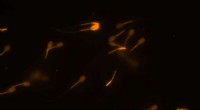
* Human sperm and egg cells are haploid (n = 23). They each contain one copy of each of the 23 human chromosomes.
* Most human cells are diploid (2n = 46). They contain two copies of each chromosome, one from the mother and one from the father.
Key Points:
* Haploid cells are essential for sexual reproduction.
* When a haploid sperm cell and a haploid egg cell fuse during fertilization, they form a diploid zygote with a complete set of chromosomes.
* The process of reducing the chromosome number from diploid to haploid is called meiosis.