Research and Data Collection:
* Conducting field research: This may involve collecting samples, observing marine life, or conducting experiments in various marine environments (oceans, estuaries, coral reefs, etc.).
* Analyzing data: This involves processing, interpreting, and presenting findings from research studies.
* Writing scientific reports and publications: Marine biologists need to communicate their findings to the scientific community through peer-reviewed publications, presentations, and reports.
* Collaborating with other scientists: Many research projects involve working in teams and collaborating with researchers from other fields.
* Developing and using new technologies: Marine biologists often use advanced equipment for research, including sonar, underwater cameras, and remote sensing tools.
Conservation and Management:
* Assessing the health of marine ecosystems: This might involve studying population dynamics, pollution levels, and the effects of climate change.
* Developing conservation strategies: Marine biologists play a key role in creating plans to protect and manage marine resources.
* Educating the public about marine issues: Raising awareness about conservation and sustainable practices is crucial for protecting marine environments.
* Working with government agencies and organizations: Marine biologists often collaborate with regulatory bodies to implement conservation policies.
Other Duties:
* Teaching and mentoring: Some marine biologists work in academia, teaching students and supervising research projects.
* Consulting: Marine biologists can provide expertise on various marine issues to private companies, environmental organizations, or government agencies.
* Public outreach: They may work with museums, aquariums, and other organizations to educate the public about marine life and conservation.
Here are some specific examples of different job roles within marine biology:
* Marine Ecologist: Studies the interactions between marine organisms and their environment.
* Fish Biologist: Focuses on the biology, ecology, and management of fish populations.
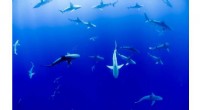
* Marine Mammal Biologist: Studies whales, dolphins, seals, and other marine mammals.
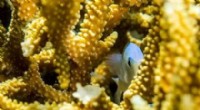
* Coral Reef Biologist: Works to understand and protect coral reefs.
* Oceanographer: Studies the physical and chemical properties of the ocean.
The specific duties of a marine biologist will depend on their specific specialization, employer, and the current challenges facing the ocean.