Here's a breakdown:
1. Isolation:
* Geographic Isolation: Physical barriers like mountains, rivers, or oceans separate populations, preventing gene flow between them. This is known as allopatric speciation.
* Reproductive Isolation: Populations within the same geographic area evolve different mating behaviors, times, or mechanisms, leading to genetic isolation. This is known as sympatric speciation.
2. Divergence:
* Once isolated, populations experience different selective pressures (environmental factors, food sources, predators, etc.). This leads to adaptations and genetic changes that make the populations diverge from each other.
* The genetic differences between populations grow over time, leading to the accumulation of differences in morphology, physiology, behavior, and other characteristics.
* Eventually, the populations become so distinct that they can no longer interbreed and produce fertile offspring. At this point, they are considered separate species.
Types of Speciation:
* Allopatric Speciation: The most common type, driven by geographic isolation.
* Sympatric Speciation: Occurs within the same geographic area, often due to:
* Disruptive selection: Favors extreme phenotypes over intermediate ones, leading to divergence.
* Polyploidy: The duplication of entire sets of chromosomes, resulting in reproductive isolation.
* Host shift: Species evolve to specialize on different hosts, leading to reproductive isolation.
Key Points:
* Gradual Process: Speciation is a gradual process that can take thousands or even millions of years.
* No Set Definition of Species: Defining species can be challenging, as there is no single universal definition.
* Evolutionary History: Understanding speciation helps us understand the evolutionary history of life on Earth.
Examples of Speciation:
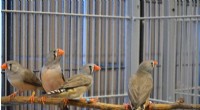
* Darwin's finches on the Galapagos Islands: Geographic isolation and different food sources led to the evolution of different beak sizes and shapes.
* Apple maggot flies: Host shifts to different apple varieties led to reproductive isolation and distinct species.
* Cichlid fishes in African lakes: Rapid diversification due to different habitats, food sources, and mating preferences.
Speciation is a fascinating and ongoing process that is responsible for the incredible diversity of life on Earth.