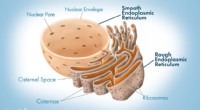
Here's how ribosomes play a crucial role in protein formation:
1. mRNA binding: The ribosome binds to the mRNA molecule, which carries the genetic code for the protein.
2. tRNA recognition: Ribosomes read the mRNA code in codons (three-nucleotide sequences), and transfer RNA (tRNA) molecules bring in specific amino acids that match the codons.
3. Peptide bond formation: Ribosomes catalyze the formation of peptide bonds between the amino acids, linking them together to form a polypeptide chain.
4. Elongation: The ribosome moves along the mRNA, reading codons and adding more amino acids to the growing polypeptide chain.
5. Termination: When the ribosome reaches a stop codon on the mRNA, translation ends, and the completed polypeptide chain is released.
In essence, ribosomes are the workhorses of protein synthesis. They act as the molecular factories that translate the genetic blueprint from DNA to functional proteins, which are essential for all cellular functions and life itself.