Cytokinesis, the division of the cytoplasm, is the final stage of cell division, occurring after mitosis or meiosis. Here's how it happens in most animal cells:
1. Cleavage Furrow Formation:
* As the mitotic spindle disassembles during telophase, a shallow groove appears on the cell surface, called the cleavage furrow. This groove is formed by a contractile ring of microfilaments made up of actin and myosin, similar to the proteins found in muscle cells.
2. Contraction and Invagination:
* The contractile ring begins to constrict, pulling the plasma membrane inwards. This contraction is driven by the interaction of actin and myosin, similar to the sliding filament mechanism in muscle contraction.
* The furrow deepens and the cell membrane pinches inwards, creating a visible indentation.
3. Separation of Daughter Cells:
* The cleavage furrow continues to constrict until it reaches the center of the cell, completely dividing the cytoplasm.
* This separates the two daughter cells, each containing its own nucleus and organelles.
4. Finalization:
* The cell membrane completely seals off, creating two distinct cells. The process may involve the formation of new membrane material.
Key Points:
* Location: Cytokinesis in animal cells happens at the cell surface, unlike plant cells where it occurs internally.
* Mechanism: The contractile ring driven by actin and myosin is the driving force behind the cleavage furrow.
* Timing: Cytokinesis overlaps with telophase of mitosis or meiosis, but technically happens after nuclear division is complete.
Visualizing Cytokinesis:
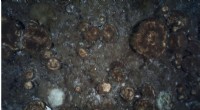
* Microscopy: You can observe cytokinesis in animal cells under a microscope, especially with techniques like time-lapse microscopy that allows you to see the process unfold.
* Images: Many resources online showcase images and animations of cytokinesis, helping you visualize the process.
Understanding cytokinesis is crucial for comprehending cell division and its implications in development, growth, and repair.