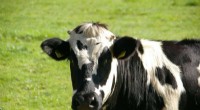
Animal cloning offers several potential advantages, but it's important to note that these advantages are often weighed against ethical concerns and potential risks.
Agriculture and Livestock:
* Enhanced Productivity: Cloning allows for the replication of high-performing animals, leading to increased production of meat, milk, wool, etc.
* Disease Resistance: Cloning can help in the propagation of animals with desired genetic traits, including resistance to diseases. This can reduce the risk of outbreaks and improve overall animal health.
* Uniformity: Cloned animals are genetically identical, leading to more predictable and consistent traits, benefiting breeders and farmers.
* Conservation Efforts: Cloning can help in the preservation of endangered species by producing genetically identical copies of valuable animals.
Biomedicine and Research:
* Organ Transplantation: Cloning can potentially create animals with organs suitable for transplantation into humans, addressing the shortage of organ donors.
* Disease Modeling: Cloned animals can be used as models for studying human diseases, leading to better understanding and development of treatments.
* Drug Testing: Cloned animals with specific genetic backgrounds can be used for drug testing and development, ensuring consistent results.
Other Potential Benefits:
* Emotional Attachment: Cloning can help individuals who have lost beloved pets by creating a genetically identical animal.
* Selective Breeding: Cloning can speed up the process of selective breeding, allowing for faster development of animals with desired traits.
However, it's crucial to acknowledge the potential drawbacks:
* Ethical Concerns: Cloning raises significant ethical concerns regarding animal welfare, genetic diversity, and the potential for animal suffering.
* Technical Challenges: Cloning technology is still complex and expensive, and cloned animals often face health issues.
* Unforeseen Consequences: The long-term effects of cloning on animal health and the environment are not fully understood.
It's essential to approach animal cloning with caution, considering both the potential benefits and the potential risks involved. Public discourse and thorough research are necessary to ensure responsible and ethical application of this technology.