* Structural support: Proteins like actin and tubulin form the cytoskeleton, giving the cell its shape, helping with movement, and organizing organelles.
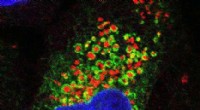
* Transport: Proteins like motor proteins move organelles and vesicles within the cell, while membrane transport proteins allow substances to enter and exit the cell.
* Communication: Receptor proteins on the cell surface bind to signaling molecules, triggering changes within the cell. Signaling proteins relay messages inside the cell.
* Enzymatic activity: Many proteins act as enzymes, catalyzing biochemical reactions necessary for life, such as metabolism, DNA replication, and cell division.
* Defense: Antibodies are proteins that identify and neutralize foreign invaders, providing immunity.
* Storage: Proteins can store amino acids, which can be used later for protein synthesis.
This complex network of proteins is essential for the proper function of animal cells and the overall organism.