1. Nutrient Cycling:
* Breaking down dead organisms: Decomposers like bacteria and fungi feed on dead plants and animals, breaking them down into simpler molecules. This process releases essential nutrients like nitrogen, phosphorus, and carbon back into the soil and atmosphere.
* Making nutrients available: These nutrients become available for use by plants and other living organisms, completing the nutrient cycle.
2. Maintaining Ecosystem Balance:
* Preventing buildup of waste: Without decomposers, dead organisms and waste would pile up, creating a chaotic and unhealthy environment.
* Soil fertility: Decomposers contribute significantly to soil health by breaking down organic matter, creating rich, fertile soil that supports plant growth.
* Energy flow: Decomposers play a vital role in the energy flow within an ecosystem, by breaking down dead organisms and releasing nutrients that are then used by producers (plants).
3. Examples of Decomposers:
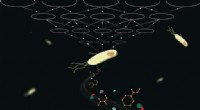
* Bacteria: Many types of bacteria break down organic matter in a variety of environments.
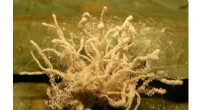
* Fungi: Fungi are also important decomposers, especially in forests where they break down wood.
* Insects: Some insects, such as termites, are essential decomposers of wood.
* Earthworms: Earthworms play a significant role in breaking down organic matter and improving soil aeration and drainage.
In summary, decomposers are vital to maintaining a healthy and balanced ecosystem by recycling nutrients, preventing waste buildup, and contributing to soil fertility.