The Linnaean Hierarchy
The Linnaean system, named after Carl Linnaeus, uses a hierarchical system for classifying organisms:
1. Domain: The broadest category, grouping organisms based on fundamental cellular features. (e.g., Bacteria, Archaea, Eukarya)
2. Kingdom: A large group of organisms sharing basic characteristics. (e.g., Animalia, Plantae, Fungi)
3. Phylum: A group of closely related classes. (e.g., Chordata, Arthropoda)
4. Class: A group of closely related orders sharing common characteristics.
5. Order: A group of closely related families.
6. Family: A group of closely related genera.
7. Genus: A group of closely related species.
8. Species: A group of organisms that can interbreed and produce fertile offspring.
What Class Means
* Shared Characteristics: Organisms within a class share a significant number of common features, indicating a close evolutionary relationship.
* Level of Specificity: Class is a broader category than order but narrower than phylum. It provides a middle ground in understanding relationships.
* Examples:
* Mammalia: Includes all mammals, characterized by mammary glands, hair, and other traits.
* Reptilia: Includes all reptiles, characterized by scales, cold-bloodedness, and lay eggs.
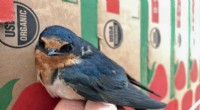
* Aves: Includes all birds, characterized by feathers, wings, and beaks.
* Insecta: Includes all insects, characterized by three body segments, six legs, and often wings.
Understanding Relationships
By studying the characteristics of organisms within a class, biologists gain insights into their evolutionary history, adaptations, and ecological roles. This knowledge helps us understand the diversity of life and the interconnectedness of ecosystems.