1. Selective Permeability:
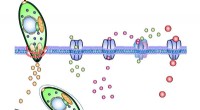
* Transport of molecules: The cell membrane acts as a selective barrier, allowing certain substances to pass through while restricting others. It controls the movement of nutrients, ions, waste products, and signaling molecules into and out of the cell.
* Maintaining cell homeostasis: The membrane regulates the passage of water, electrolytes, and other substances to ensure a stable internal environment.
2. Cell Signaling and Communication:
* Reception of signals: The cell membrane contains receptors that bind to specific signaling molecules, initiating a cascade of events within the cell. These signals can be hormones, neurotransmitters, or growth factors.
* Transmission of signals: The membrane helps propagate signals within the cell, enabling communication between different cellular compartments.
3. Cell Adhesion and Recognition:
* Attachment to other cells: The membrane contains specialized proteins called cell adhesion molecules that allow cells to bind to each other, forming tissues and organs.
* Cell-cell interactions: These interactions are crucial for development, tissue repair, and immune responses.
4. Cell Shape and Structure:
* Maintaining cell shape: The cell membrane provides structural support to the cell, contributing to its overall shape and integrity.
* Cytoskeletal interactions: The membrane interacts with the cytoskeleton, a network of protein filaments within the cell, providing a framework for movement and structural support.
5. Protection and Defense:
* Barrier against foreign substances: The membrane acts as a barrier against harmful substances, protecting the cell from the external environment.
* Immune response: The membrane plays a role in immune recognition and defense by presenting antigens to immune cells.
Specific Functions Controlled by Membrane Proteins:
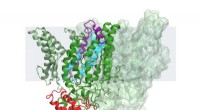
* Channel proteins: Form pores through the membrane, allowing specific ions or small molecules to pass.
* Carrier proteins: Bind to specific molecules and transport them across the membrane.
* Receptors: Bind to signaling molecules and trigger intracellular responses.
* Enzymes: Catalyze specific biochemical reactions associated with the membrane.
* Adhesion proteins: Connect cells to each other or to the extracellular matrix.
In summary, the cell membrane is a dynamic and versatile structure that plays a central role in controlling a wide range of cellular functions essential for life.