1. Internal Fertilization: This is the most common form of sexual reproduction in vertebrates. The male deposits sperm inside the female's body, where it fertilizes the egg. This occurs in mammals, birds, reptiles, and some amphibians.
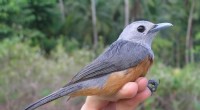
* Example: A male bird fertilizes the female's egg through copulation.
* Advantages: Increased protection for developing embryos, higher fertilization rates, and potential for parental care.
2. External Fertilization: This occurs in aquatic environments where the male releases sperm into the water, and the female releases eggs, allowing fertilization to happen outside the body.
* Example: Frogs and fish release gametes into the water, where fertilization occurs.
* Advantages: Can lead to large numbers of offspring and allows for wider dispersal.
3. Hermaphroditism: This is where a single organism possesses both male and female reproductive organs. Some species can self-fertilize, while others require a partner.
* Example: Earthworms, snails, and some types of fish.
* Advantages: Allows for reproduction even if a partner of the opposite sex is not readily available.
4. Parthenogenesis: This is a form of asexual reproduction where an unfertilized egg develops into an embryo. Some organisms can also switch between sexual and parthenogenetic reproduction depending on environmental conditions.
* Example: Certain species of lizards, insects, and some plants.
* Advantages: Allows for rapid population growth in favorable conditions.
5. Conjugation: This is a form of sexual reproduction in bacteria where genetic material is transferred from one bacterium to another through a bridge-like structure. Although not technically "sex" in the traditional sense, it does involve the exchange of genetic material.
* Example: Bacteria like *Escherichia coli* can exchange genetic material through conjugation.
* Advantages: Introduces genetic diversity and helps bacteria adapt to changing environments.
It's important to remember that these are just a few examples, and there are many other variations in how organisms reproduce sexually.