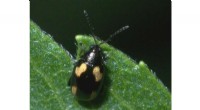
* Predators: Animals that eat pests, like ladybugs eating aphids or owls eating rodents.
* Parasitoids: Insects that lay their eggs inside or on other insects, ultimately killing them.
* Pathogens: Microorganisms like bacteria, fungi, or viruses that cause disease in pests.
* Competitors: Organisms that compete with pests for resources, like beneficial insects vying for the same food source.
Benefits of Biocontrol:
* Environmentally friendly: Biocontrol agents are natural and don't leave harmful residues in the environment like pesticides.
* Sustainable: Once established, biocontrol agents can provide ongoing pest suppression.
* Selective: Biocontrol agents are often specific to certain pests, minimizing harm to beneficial organisms.
Examples of Biocontrol:
* Using ladybugs to control aphids in gardens.
* Introducing parasitic wasps to control caterpillars in crops.
* Spraying a fungal pathogen on plant diseases.
Considerations:
* Effectiveness: Biocontrol may not always be as effective as conventional pest control methods.
* Time: Establishing a biocontrol program can take time and effort.
* Specificity: Choosing the right biocontrol agent is crucial to ensure it targets the intended pest.
Overall, biocontrol is a valuable tool for managing pests in a sustainable and environmentally responsible manner. It offers a promising alternative to synthetic pesticides and can contribute to a healthier and more balanced ecosystem.