Common Structures (Found in both plant and animal cells):
* Cell Membrane: A thin, flexible barrier that controls what enters and leaves the cell.
* Cytoplasm: The jelly-like substance that fills the cell and contains organelles.
* Nucleus: The control center of the cell, containing the cell's DNA.
* Ribosomes: Tiny structures that manufacture proteins.
* Endoplasmic Reticulum (ER): A network of membranes involved in protein and lipid synthesis.
* Golgi Apparatus: Packages and modifies proteins and lipids for transport.
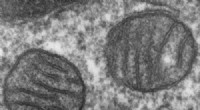
* Mitochondria: The "powerhouses" of the cell, producing energy (ATP) through cellular respiration.
Unique Structures (Found only in plant cells):
* Cell Wall: A rigid, protective outer layer made of cellulose that provides structural support and helps maintain the cell's shape.
* Chloroplasts: The sites of photosynthesis, containing chlorophyll, the green pigment that captures light energy.
* Vacuole: A large, fluid-filled sac that stores water, nutrients, and waste products. It also helps maintain turgor pressure, keeping the plant firm.
* Plasmodesmata: Small channels that connect adjacent plant cells, allowing for communication and transport of substances between them.
Other Important Features:
* Plastids: A group of organelles that includes chloroplasts, as well as chromoplasts (pigment storage) and leucoplasts (starch storage).
* Glyoxysomes: Specialized organelles involved in the conversion of fats to sugars during seed germination.
Let me know if you'd like more detailed information about any of these structures!