Here's a breakdown:
* Genes: These are the basic units of heredity, carrying the instructions for building and maintaining an organism. They are located on chromosomes, thread-like structures found in the nucleus of every cell.
* Inheritance: When organisms reproduce, they pass on copies of their genes to their offspring. These genes determine a wide range of characteristics, including physical appearance (like eye color or fur pattern), behavior, and even susceptibility to certain diseases.
* Similarity: Since offspring inherit genes from both parents, they will share many of the same traits. This is why children often resemble their parents in various ways.
Examples:
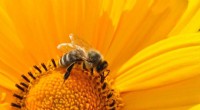
* Plants: If a tall sunflower plant produces seeds, those seeds are likely to grow into tall sunflowers.
* Animals: If a brown dog breeds with another brown dog, their puppies are more likely to be brown than another color.
Exceptions:
While heredity is a powerful force, there are some exceptions to this pattern:
* Mutations: Changes in genes can occur randomly, creating new traits. These mutations can sometimes lead to offspring that look different from their parents.
* Environmental Influences: The environment can also play a role in how genes are expressed. For example, a plant that grows in a sunny spot might be taller than one that grows in the shade, even if they have the same genes.
Overall, heredity is the primary reason why young plants and animals resemble their parents. It's a fascinating process that ensures the continuity of life and allows for the passing of traits from generation to generation.