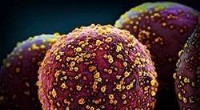
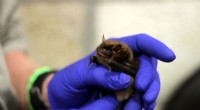
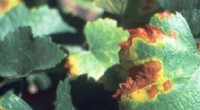
* A changing environment: The world is constantly changing. Climate shifts, new predators appear, food sources fluctuate, and diseases emerge. These changes pose challenges to organisms.
* Natural selection: Organisms with traits that make them better suited to their environment are more likely to survive, reproduce, and pass on those advantageous traits to their offspring. This process is called natural selection.
* Genetic variation: Individuals within a species have slightly different genes due to mutations and sexual reproduction. These variations provide the raw material for evolution.
* Adaptation: Over time, natural selection acts on this genetic variation, favoring traits that improve survival and reproduction. This leads to populations becoming better adapted to their specific environment.
Without evolution, organisms would be unable to cope with changing conditions. They wouldn't be able to adapt to new food sources, defend against predators, or resist diseases. This would lead to extinction.
Here's an analogy:
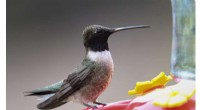
Imagine a species of birds living in a forest where all the trees are tall. Birds with long beaks are better at reaching fruit high in the trees and are more successful. Now imagine the forest changes, and most of the tall trees die, leaving only short, bushy trees. Birds with short beaks are now better suited to finding food, and they outcompete the birds with long beaks. Over time, the bird population will evolve to have shorter beaks, allowing them to survive and reproduce in the new environment.
In conclusion, evolution is a fundamental process that ensures the survival and adaptation of organisms to a constantly changing world. It is a vital mechanism for the diversification and persistence of life on Earth.