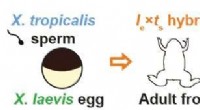
1. Fusion: The sperm's head, containing the male genetic material, penetrates the egg's outer layer. The egg then forms a barrier to prevent any other sperm from entering.
2. Genetic Combination: The male and female chromosomes, each containing half the genetic information needed for a complete organism, combine within the fertilized egg. This creates a unique set of chromosomes for the new individual.
3. Zygote Formation: The fertilized egg is now called a zygote. This single cell contains all the genetic instructions needed for the development of a new organism.
4. Cell Division and Development: The zygote undergoes rapid cell division (mitosis), forming a ball of cells called a blastocyst. This eventually implants in the uterine lining for the mother, beginning the process of pregnancy.
5. Growth and Differentiation: As the embryo develops, cells differentiate into specialized tissues and organs, guided by the genetic blueprint from the zygote. This ultimately leads to the birth of a new individual.
In essence, fertilization is the very beginning of life. It is the moment when two gametes combine to create a completely new organism with its own unique genetic makeup.