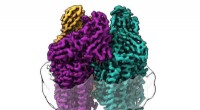
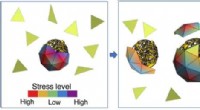
* Shape and Fit: Enzymes have a unique three-dimensional structure with an active site. This active site is like a lock that only fits a specific key – the substrate. The shape and chemical properties of the active site are complementary to the substrate, allowing for a perfect fit.
* Weak Interactions: When the substrate binds to the active site, weak interactions like hydrogen bonds and van der Waals forces form between the enzyme and substrate. These interactions stabilize the complex and bring the substrate into the correct orientation for the reaction to occur.
* Induced Fit: Sometimes, the enzyme's active site is not perfectly shaped to fit the substrate initially. However, when the substrate binds, the enzyme can slightly change its shape to accommodate it, further enhancing the interaction.
Exceptions and Importance of Specificity:
While enzymes are highly specific, they can sometimes catalyze reactions with similar substrates. The degree of similarity required for a reaction to occur varies depending on the enzyme.
Specificity is crucial because:
* Efficiency: Enzymes can work very efficiently by targeting specific reactions, without wasting energy on unrelated ones.
* Precision: They ensure that the correct reactions occur in the right place at the right time, allowing for the precise regulation of biochemical processes in cells.
* Diversity: The specificity of enzymes allows for a vast array of biochemical reactions to occur, supporting life's complexity.
Examples:
* Lactase breaks down lactose, a sugar found in milk, but it doesn't break down other sugars like glucose or fructose.
* Pepsin is a digestive enzyme that breaks down proteins, but it doesn't work on carbohydrates or lipids.
In summary, enzymes have a high degree of specificity because of their unique three-dimensional structure, which allows them to interact with and catalyze reactions involving specific substrates. This specificity is crucial for the efficient, precise, and diverse functioning of biochemical processes in living organisms.