Biology is the study of life, and life is in constant flux. Understanding patterns of change in biology is crucial for appreciating the vast diversity and complexity of life on Earth. Here are some key patterns:
1. Evolution: The Grand Unifying Theme
* Natural Selection: The cornerstone of evolution, where organisms with traits better suited to their environment are more likely to survive and reproduce, passing on those beneficial traits. This leads to gradual changes in populations over time.
* Genetic Drift: Random fluctuations in gene frequencies within a population, especially pronounced in small populations. It can lead to the loss or fixation of certain traits.
* Mutation: The ultimate source of new genetic variation. Changes in DNA sequence can be beneficial, harmful, or neutral.
* Speciation: The formation of new species through isolation and divergence of populations.
2. Development: From Single Cell to Complex Organism
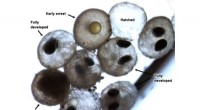
* Cellular Differentiation: A single fertilized egg divides and differentiates into specialized cells, forming tissues, organs, and organ systems. This is a fundamental process in all multicellular organisms.
* Ontogeny: The development of an organism from fertilization to maturity. It involves complex interactions between genes and the environment.
* Morphogenesis: The development of the form and structure of an organism. This involves coordinated cell growth, migration, and differentiation.
3. Adaptation: Fitting into the Environment
* Convergent Evolution: Similar traits evolving in unrelated species due to similar environmental pressures. For example, wings in birds and bats.
* Coevolution: Reciprocal evolutionary changes between two or more species that interact closely. Examples include predator-prey relationships and pollination.
* Adaptive Radiation: The rapid diversification of a species into many new forms to fill available ecological niches.
4. Life Cycles: Repeating Patterns of Growth and Reproduction
* Alternation of Generations: In some organisms, life cycles alternate between a haploid (one set of chromosomes) and diploid (two sets of chromosomes) phase. This is observed in plants and some algae.
* Metamorphosis: A dramatic change in form during development, often seen in insects, amphibians, and some marine invertebrates.
5. Extinction: The Loss of Biodiversity
* Background Extinction: The continuous low rate of extinction that happens naturally over time.
* Mass Extinction: Periods of rapid and widespread extinction, often triggered by catastrophic events like asteroid impacts or volcanic eruptions.
6. Human Impact: Shaping the Biosphere
* Anthropogenic Climate Change: Human activities like burning fossil fuels are causing global warming, leading to changes in weather patterns, sea levels, and habitats.
* Habitat Destruction: Human activities like deforestation and urbanization are destroying natural habitats, leading to biodiversity loss.
* Pollution: Introduction of harmful substances into the environment, causing harm to organisms and ecosystems.
Understanding these patterns of change allows us to:
* Predict future changes in biological systems
* Develop strategies for conservation and sustainable management
* Gain a deeper understanding of the history and evolution of life on Earth
By recognizing these patterns, we can better appreciate the dynamic nature of life and our role in shaping its future.