For Survival:
* Adaptation to extreme environments: Organisms living in extreme environments like deserts, polar regions, or deep-sea hydrothermal vents have developed unique adaptations like:
* Desert animals: efficient water conservation mechanisms (e.g., camels, kangaroo rats)
* Polar animals: thick layers of insulation (e.g., polar bears, seals)
* Deep-sea organisms: bioluminescence for communication and finding prey (e.g., anglerfish, jellyfish)
* Camouflage and mimicry: Organisms blend into their surroundings to avoid predators or ambush prey.
* Chameleons: change color to match their environment
* Stick insects: resemble twigs for camouflage
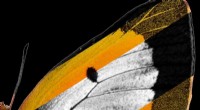
* Viceroy butterflies: mimic the poisonous monarch butterfly to deter predators
* Defense mechanisms: Organisms use various strategies to protect themselves:
* Spines and thorns: protect plants from herbivores
* Venom and toxins: deter predators (e.g., snakes, jellyfish)
* Mimicry: mimic dangerous animals (e.g., hoverflies mimic wasps)
For Reproduction and Development:
* Pollination: Plants have evolved intricate mechanisms to attract pollinators (e.g., colorful flowers, nectar, scents)
* Seed dispersal: Plants rely on wind, water, or animals to spread their seeds for wider distribution (e.g., dandelion seeds carried by wind, burrs clinging to animal fur)
* Parental care: Some animals invest significant time and energy in caring for their offspring (e.g., birds feeding their young, mammals nurturing their pups)
* Social behavior: Animals collaborate in complex social structures (e.g., ants, bees, wolves) for breeding, foraging, and defense
For Energy and Nutrient Acquisition:
* Photosynthesis: Plants convert sunlight, water, and carbon dioxide into energy (sugars) through photosynthesis.
* Chemosynthesis: Some organisms utilize energy from chemical reactions (e.g., sulfur-oxidizing bacteria in hydrothermal vents)
* Digestive systems: Organisms have evolved specialized digestive systems to break down food and extract nutrients (e.g., herbivores, carnivores, omnivores)
* Nitrogen fixation: Bacteria convert atmospheric nitrogen into usable forms for plants and other organisms.
For Communication and Information Processing:
* Bioluminescence: Organisms emit light for communication, finding prey, and attracting mates (e.g., fireflies, anglerfish)
* Chemical signals: Animals use pheromones for communication (e.g., ants leaving scent trails, moths attracting mates)
* Sound communication: Animals use vocalizations for communication and defense (e.g., birds singing, whales calling)
* Nervous systems: Animals possess complex nervous systems for processing information and coordinating responses (e.g., brains, neurons)
For Building and Repair:
* Biomaterials: Organisms use natural materials like cellulose, chitin, and collagen to build structures and tissues.
* Self-healing: Some organisms can repair damaged tissues or structures (e.g., wound healing in humans, regeneration in starfish)
These are just a few examples of the countless solutions found in living organisms. Nature is a remarkable source of inspiration for innovation, providing models for sustainable technologies, new materials, and advanced solutions for many human challenges.