Plants:
* Dandelions: They can reproduce both asexually through seeds (apomixis) and sexually through pollination.
* Strawberries: They produce runners that develop into new plants (asexual) but also have flowers that can be pollinated (sexual).
* Sea anemones: Can reproduce asexually through budding and sexually through releasing sperm and eggs.
Animals:
* Sea anemones: As mentioned above, they can reproduce both ways.
* Hydra: Can reproduce asexually by budding and sexually through the production of sperm and eggs.
* Starfish: They can regenerate lost limbs (asexual) and also reproduce sexually through external fertilization.
* Many species of fish: Some species can change sex during their lifetime, and others can reproduce both asexually (through parthenogenesis) and sexually.
Fungi:
* Yeast: They can reproduce asexually through budding and sexually through the formation of spores.
Other organisms:
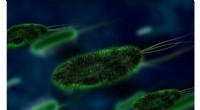
* Many bacteria: While most bacteria reproduce asexually, some can exchange genetic material through a process called conjugation, which is considered a form of sexual reproduction.
Advantages of both types of reproduction:
* Asexual reproduction: It allows for rapid population growth and the transmission of successful genetic combinations.
* Sexual reproduction: It introduces genetic diversity into a population, allowing for better adaptation to changing environments and potentially avoiding harmful mutations.
Overall, the ability to reproduce both asexually and sexually provides these organisms with flexibility and adaptability in their environment.