1. Molecular Structure and Function:
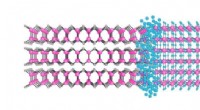
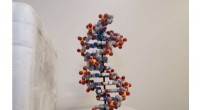
* Chemists study the structure, composition, and properties of molecules.
* Biologists investigate the roles of these molecules in living organisms, focusing on their functions, interactions, and how they contribute to life processes.
2. Chemical Reactions and Biological Processes:
* Chemists analyze the chemical reactions that occur in living systems, such as photosynthesis, respiration, and enzyme activity.
* Biologists explore how these reactions are interconnected within cells, tissues, and organs, leading to complex biological functions.
3. Techniques and Tools:
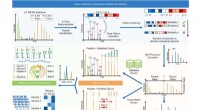
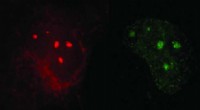
* Both disciplines rely heavily on advanced techniques and tools for analysis and experimentation. This includes microscopy, spectroscopy, chromatography, and various imaging methods.
* Biochemists bridge the gap by applying chemistry principles to biological systems, often combining techniques from both disciplines.
4. Research Areas of Overlap:
* Biochemistry: This field focuses on the chemistry of living organisms, bridging the gap between biology and chemistry.
* Molecular Biology: Studies the structure and function of molecules at the cellular level, utilizing both chemical and biological principles.
* Pharmacology: Studies the effects of drugs on living organisms, requiring knowledge of both chemical properties and biological processes.
In essence, chemists provide the fundamental understanding of molecules and their interactions, while biologists utilize this knowledge to explore the complexities of life. This collaborative approach is crucial for advancements in areas like medicine, agriculture, and environmental science.