Imagine Earth as a giant patchwork quilt, each piece representing a unique environment with its own climate, plants, and animals. These pieces are called biomes.
Here's a breakdown of what biomes are:
Definition:
* A biome is a large-scale community of organisms, defined by its dominant plant and animal life, which are adapted to the specific climate and environmental conditions of that region.
Key Features:
* Climate: Temperature, precipitation, humidity, and seasonality are the primary factors shaping a biome.
* Plant Life: The dominant plant species in a biome are crucial to the survival of animals and other organisms.
* Animal Life: Animals in a biome have evolved specific adaptations to thrive in that particular environment.
* Geographic Distribution: Biomes are found in specific geographical locations around the world, influenced by latitude, altitude, and proximity to oceans.
Examples of Biomes:
* Tundra: Cold, treeless regions with low-lying vegetation and permafrost.
* Boreal Forest: Dense, evergreen forests with harsh winters and short summers.
* Temperate Deciduous Forest: Forests with trees that lose their leaves in the fall.
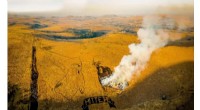
* Grassland: Vast areas of grasses with few trees, characterized by seasonal rainfall and periodic fires.
* Desert: Arid regions with little precipitation and extreme temperatures.
* Tropical Rainforest: Hot and humid forests with dense vegetation and abundant rainfall.
* Marine: The ocean environment, containing diverse ecosystems from shallow coral reefs to deep-sea trenches.
Importance:
* Biomes are vital to the planet's biodiversity and ecosystem services, such as water purification and climate regulation.
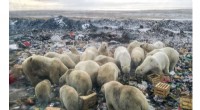
* Understanding biomes is essential for conservation efforts, as they are facing threats from human activities such as deforestation and climate change.
Remember:
* Biomes are not rigid boundaries, and there is often overlap between different biomes.
* There are many variations within a biome based on specific local conditions.
By studying biomes, we gain a deeper understanding of the intricate web of life on Earth and the importance of preserving these unique and interconnected ecosystems.