How Medicine Affects Evolution:
* Reduced Selection Pressure: Medicine reduces the selective pressure of diseases. For example, antibiotics fight bacterial infections, meaning individuals with genetic susceptibility to those infections are less likely to die. This reduces the selection against those genes, allowing them to persist in the population.
* Shifting Selection Pressures: Medicine can shift the focus of selection to other factors. For instance, treating diseases like cystic fibrosis allows individuals with the gene to survive and reproduce. This increases the frequency of the gene in the population, although it still leads to health issues.
* Artificial Selection: Medicine can also be seen as a form of artificial selection. By treating specific conditions, we unintentionally favor individuals with certain genes. This can lead to changes in the genetic makeup of the population over time.
Is This "Reversing" Evolution?
It's not accurate to say medicine reverses evolution. Evolution is a continuous process, and medicine simply adds another layer of influence. The "direction" of evolution is constantly shifting, and medicine is one of many factors shaping it.
Examples:
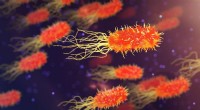
* Antibiotic Resistance: The widespread use of antibiotics has driven the evolution of antibiotic-resistant bacteria. This is an example of how medicine can unintentionally select for traits that are harmful to humans.
* Increased Life Expectancy: Medical advancements have dramatically increased human life expectancy. This has influenced the evolution of human populations, allowing individuals with genes that may have been detrimental in the past (e.g., genes associated with late-onset diseases) to survive and reproduce.
Important Considerations:
* Evolutionary Time Scales: The effects of medicine on evolution often play out over long periods. We're only beginning to understand the full implications of these interactions.
* Ethical Considerations: Medicine's influence on evolution raises ethical questions about our role in shaping the human species and the potential consequences of our actions.
In summary, medicine is a powerful force that influences evolutionary processes. While it doesn't "reverse" evolution, it adds a new layer of complexity to the ongoing interaction between humans and their environment. It's essential to understand these interactions to navigate the ethical and practical implications of medical interventions.