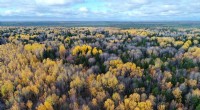
Plains are characterized by relatively flat terrain with minimal elevation changes. Their abiotic components are crucial for shaping the environment and supporting the living organisms that inhabit them. Here's a breakdown:
1. Climate:
* Temperature: Plains can experience a wide range of temperatures depending on their location and latitude. Some plains are hot and dry, while others are temperate or even cold.
* Precipitation: Plains can be arid, semi-arid, or humid. Rainfall patterns significantly impact vegetation and soil characteristics.
* Sunlight: Sunlight intensity varies with latitude and time of year, influencing plant growth and animal behavior.
* Wind: Wind patterns influence soil erosion, temperature distribution, and plant growth.
2. Geology and Topography:
* Soil: Plains are typically covered in alluvial soils, formed from sediments deposited by rivers. Soil composition varies greatly depending on the parent rock and climate.
* Rock type: Underlying bedrock influences soil formation and drainage.
* Elevation: Plains are generally low-lying, which influences climate and vegetation.
* Slope: While generally flat, slight variations in slope can influence water flow and soil erosion.
3. Water:
* Surface water: Rivers, streams, and lakes are important water sources for plains, influencing vegetation and animal life.
* Groundwater: The presence and depth of groundwater influence plant life and agriculture.
* Water quality: Water quality varies depending on pollution levels, which can impact both plant and animal life.
4. Other abiotic factors:
* Light: Availability of sunlight influences plant growth and distribution.
* Air quality: Pollutants can negatively impact plant and animal life.
* Mineral content: The presence of specific minerals in soil and water can affect plant growth and animal health.
Examples:
* Prairie: Characterized by grasslands, fertile soils, and moderate rainfall.
* Steppe: Semi-arid plains with dry conditions, sparse vegetation, and often saline soils.
* Floodplain: Low-lying areas prone to flooding, with rich alluvial soils and diverse plant and animal life.
* Coastal plain: Plains located along coastlines, influenced by ocean currents and tidal activity.
Understanding the interplay between these abiotic factors is crucial for understanding the unique ecosystems found on plains, and their vulnerability to human activities.