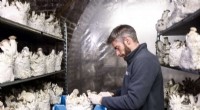
* Controlled Experiments: Model organisms allow for controlled experiments in a lab setting. This means researchers can manipulate variables and observe the effects in a way that wouldn't be possible in complex natural systems.
* Ethical Considerations: Using model organisms can minimize ethical concerns associated with studying complex processes in humans or endangered species.
* Ease of Study: Model organisms often have short lifespans, are relatively inexpensive to maintain, and reproduce quickly, making them easier to study over multiple generations.
* Genetic Similarity: Many model organisms share significant genetic similarity with humans, allowing for insights into human biology and disease.
Examples of Model Organisms:
* Bacteria: *E. coli* is a workhorse in genetics and microbiology.
* Yeast: *Saccharomyces cerevisiae* is used for studies on cell division, metabolism, and disease.
* Roundworms: *Caenorhabditis elegans* is a simple animal model for studying development, aging, and neurobiology.
* Fruit Flies: *Drosophila melanogaster* is used to study genetics, development, and behavior.
* Zebrafish: *Danio rerio* is a vertebrate model used for studying development, disease, and regeneration.
* Mice: *Mus musculus* is a mammalian model for studying a wide range of diseases and conditions.
Key Considerations:
* Generalizability: Results from model organisms must be carefully considered and validated to ensure they are relevant to the target organism (often humans).
* Limitations: Every model organism has limitations, so researchers must choose the appropriate model for their specific question.
In summary, model organisms are powerful tools for scientific discovery, allowing us to understand complex biological processes and develop treatments for human diseases.