1. Biological Research:
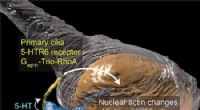
* Cell Biology: Studying the structure and function of cells, including organelles, DNA, and cellular processes.
* Microbiology: Examining bacteria, viruses, fungi, and other microorganisms, helping identify pathogens and understand their characteristics.
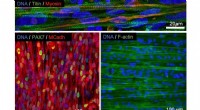
* Histology: Observing tissues and their structures, aiding in diagnosis and understanding tissue development.
* Parasitology: Studying parasites and their life cycles, helping to control and prevent diseases.
2. Material Science:
* Material Analysis: Examining the surface morphology, microstructure, and defects of materials like metals, plastics, and ceramics.
* Nanotechnology: Studying and manipulating materials at the nanoscale, leading to advancements in electronics, medicine, and energy.
* Forensic Science: Analyzing microscopic evidence like fibers, hair, and paint chips for crime investigations.
3. Other Applications:
* Quality Control: Inspecting manufactured products for defects, ensuring quality and consistency.
* Education: Introducing students to the microscopic world and fostering their understanding of science.
* Environmental Science: Studying water and soil samples to monitor pollution levels and assess environmental health.
Types of Microscopes:
Laboratories use various types of microscopes depending on the specific application:
* Light Microscopes: Use visible light to illuminate and magnify specimens. They are versatile and commonly used for basic biological studies.
* Electron Microscopes: Use beams of electrons to create highly detailed images, revealing the structure of materials at the nanometer scale.
* Scanning Probe Microscopes: Use a sharp tip to scan the surface of a material, providing atomic-level resolution.
The specific uses and types of microscopes within a lab can vary greatly depending on the research or work being conducted.