Plant Root Tip Cells:
* Rapid Cell Division: Root tips are areas of active growth, with cells constantly dividing to extend the root. This high rate of mitosis makes it easier to find cells in different stages of division.
* Easy Preparation: Root tips are relatively easy to prepare for microscopic examination. They can be stained with dyes to highlight the chromosomes and cell structures involved in mitosis.
* Regular Structure: Plant cells have a distinct cell wall, making it easier to observe the changes in cell shape during division.
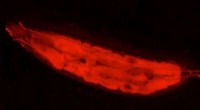
Animal Embryos:
* Rapid Cell Division: Embryonic development involves extensive and rapid cell division, making it a prime example of mitosis in action.
* Synchronization of Division: Many cells in embryos are often dividing synchronously, meaning you can observe multiple cells in the same stage of division.
* Accessibility: Animal embryos, especially those of model organisms like zebrafish or fruit flies, are readily available and relatively easy to study.
In summary, both plant root tip cells and animal embryos provide excellent models for studying cell division due to their high rate of mitosis, accessibility, and ease of preparation for microscopy.