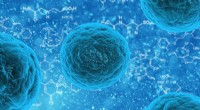
Osmosis is the passive movement of water molecules across a semipermeable membrane from a region of high water concentration to a region of low water concentration. This movement is driven by the difference in water potential between the two regions.
Here's a breakdown of how osmosis works:
1. Semipermeable Membrane:
- A semipermeable membrane is a barrier that allows some substances to pass through while blocking others. In the case of osmosis, the membrane allows water molecules to pass through but restricts the passage of other solutes, like salts or sugars.
2. Water Potential:
- Water potential is the tendency of water to move from one area to another. It's influenced by factors like pressure, solute concentration, and gravity. In general, areas with higher water potential have a higher concentration of free water molecules.
3. Movement of Water:
- Water will move from the region of higher water potential (higher concentration of free water molecules) to the region of lower water potential (lower concentration of free water molecules) to equalize the concentration.
- This movement occurs until the water potential on both sides of the membrane becomes equal.
4. Types of Solutions:
- Hypotonic Solution: A solution with a lower solute concentration than the cell's interior. Water moves into the cell, causing it to swell.
- Hypertonic Solution: A solution with a higher solute concentration than the cell's interior. Water moves out of the cell, causing it to shrink.
- Isotonic Solution: A solution with the same solute concentration as the cell's interior. There is no net movement of water, and the cell maintains its normal shape.
Examples of Osmosis in Action:
- Plant cells: Osmosis plays a vital role in maintaining the turgor pressure of plant cells, which is essential for their rigidity and upright growth.
- Red blood cells: If red blood cells are placed in a hypertonic solution, water will move out of the cells, causing them to shrivel. If they are placed in a hypotonic solution, water will move into the cells, causing them to swell and potentially burst.
- Kidney function: Osmosis is crucial in the kidney's filtration process, allowing water to re-enter the bloodstream while waste products are excreted.
In summary, osmosis is a crucial biological process that ensures the proper movement of water across cell membranes. It is essential for maintaining cell shape, turgor pressure in plants, and many other vital functions within living organisms.