Here's a breakdown:
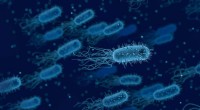
* What are inclusions? Inclusions are non-living, internal structures within the cytoplasm of prokaryotic cells. They are not membrane-bound organelles like those found in eukaryotic cells.
* What do they store? Inclusions can store a variety of things, depending on the specific type of inclusion and the needs of the prokaryote. Some common examples include:
* Energy reserves:
* Glycogen: A complex carbohydrate used for energy storage.
* Poly-β-hydroxybutyrate (PHB): A lipid-like polymer that serves as an energy source.
* Polyphosphate granules: Inorganic phosphate polymers used for energy storage and as a source of phosphate for biosynthesis.
* Building blocks:
* Sulfur granules: Store elemental sulfur, which can be used as an energy source by some prokaryotes.
* Cyanophycin granules: Store the amino acid arginine, a building block for proteins.
* Other:
* Gas vacuoles: Gas-filled structures that help prokaryotes regulate their buoyancy in water.
* Magnetosomes: Contain iron oxide crystals that allow some prokaryotes to orient themselves in magnetic fields.
Let me know if you want to know more about a specific type of inclusion!