Here's a breakdown of key features of eukaryotes:
Characteristics:
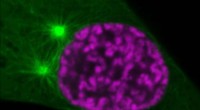
* Membrane-bound nucleus: The DNA is enclosed within a nuclear envelope, separating it from the cytoplasm.
* Organelles: Specialized compartments within the cell, each with its own membrane. Examples include mitochondria (energy production), endoplasmic reticulum (protein synthesis), Golgi apparatus (processing and packaging), lysosomes (waste disposal), and chloroplasts (in plants, for photosynthesis).
* Cytoskeleton: A network of protein fibers that provides structural support, allows for movement, and helps with cell division.
* Larger and more complex: Eukaryotic cells are generally larger than prokaryotic cells and have a more complex internal structure.
* Sexual reproduction: Most eukaryotes reproduce sexually, involving the fusion of gametes (sex cells) to create offspring.
Examples:
* Animals: All animals, from tiny insects to massive whales, are eukaryotes.
* Plants: All plants, from microscopic algae to towering trees, are eukaryotes.
* Fungi: Mushrooms, molds, and yeasts are all eukaryotes.
* Protists: A diverse group of mostly single-celled eukaryotes, including amoebas, paramecia, and algae.
Importance:
Eukaryotes are the basis of life as we know it. They play crucial roles in ecosystems, including:
* Producers: Plants are the primary producers, converting sunlight into energy.
* Consumers: Animals and fungi consume other organisms for food.
* Decomposers: Fungi break down dead organisms, recycling nutrients.
Key Differences between Eukaryotes and Prokaryotes:
| Feature | Eukaryotes | Prokaryotes |
|-----------------|----------------------------------------------|--------------------------------------------|
| Nucleus | Present, contains DNA | Absent, DNA located in cytoplasm |
| Organelles | Present, membrane-bound | Absent, except for ribosomes |
| Cell Size | Larger and more complex | Smaller and simpler |
| Reproduction | Mostly sexual, involving meiosis | Asexual, through binary fission |
| Examples | Animals, plants, fungi, protists | Bacteria, archaea |
Understanding the differences between eukaryotes and prokaryotes is essential for appreciating the diversity of life on Earth and for understanding the fundamental principles of biology.