Here's a breakdown of the biological hierarchy:
1. Atoms and Molecules: This is the foundational level, where the basic building blocks of life are formed. Atoms bond together to form molecules like water, carbohydrates, proteins, and nucleic acids.
2. Organelles: These are specialized structures within cells, each with its own specific function. Examples include the nucleus (containing DNA), mitochondria (powerhouses of the cell), and ribosomes (protein factories).
3. Cells: The fundamental unit of life, cells carry out all the essential functions necessary for life. They can be either single-celled organisms (like bacteria) or part of multicellular organisms (like humans).
4. Tissues: Groups of similar cells that work together to perform a specific function. Examples include muscle tissue, nervous tissue, and connective tissue.
5. Organs: Composed of different tissues working together to perform a more complex function. Examples include the heart, lungs, and brain.
6. Organ Systems: Groups of organs that cooperate to carry out major bodily functions. Examples include the digestive system, respiratory system, and circulatory system.
7. Organisms: A complete living individual made up of organ systems working together. This could be a single-celled organism like a bacterium, or a complex multicellular organism like a human being.
8. Populations: Groups of individuals of the same species living in the same area and interacting with each other.
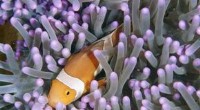
9. Communities: Groups of different populations living together in the same area and interacting with each other.
10. Ecosystems: A community of organisms interacting with their physical environment. This includes all the living organisms in an area, along with the non-living components like air, water, and soil.
11. Biosphere: The sum of all ecosystems on Earth, encompassing all living organisms and their physical environment.
This hierarchical organization allows biologists to study life at different levels of complexity, from the smallest atom to the entire biosphere. Understanding how each level interacts with the others is crucial for comprehending the intricate workings of the natural world.