Symbiosis:
* Mutualism: Both species benefit from the interaction.
* Bees and flowers: Bees obtain nectar from flowers, while pollinating them in the process.
* Cleaner fish and larger fish: Cleaner fish eat parasites off larger fish, benefiting both by removing harmful organisms and providing food for the cleaner fish.
* Lichens: A fungus and an alga live together, with the fungus providing structure and the alga producing food through photosynthesis.
* Commensalism: One species benefits, and the other is neither harmed nor helped.
* Barnacles and whales: Barnacles attach to whales, gaining transportation and access to food-rich waters, without impacting the whale.
* Remoras and sharks: Remoras attach to sharks, benefiting from the protection and scraps of food from the shark's meals.
* Parasitism: One species benefits at the expense of the other.
* Ticks and mammals: Ticks feed on the blood of mammals, harming the host.
* Tapeworms and humans: Tapeworms live in the intestines of humans, absorbing nutrients from the host.
Social Interactions:
* Social Insects: Ants, bees, and termites exhibit complex social structures where individuals specialize in tasks for the colony's benefit.
* Worker ants: Gather food, build nests, and care for young.
* Queen ants: Reproduce and lay eggs.
* Drones (in some species): Mate with the queen.
* Flocks/Herds/Schools: Groups of birds, mammals, or fish that work together for protection from predators, efficient foraging, or migration.
* Birds flocking: Confused predators, share information about food sources.
* Wildebeest migrating: Increases chances of survival through collective strength and resource sharing.
* Schools of fish: Confuses predators, improve foraging efficiency.
Other Collaborations:
* Predator-Prey Relationships: While not always considered a collaboration, predator-prey relationships can sometimes involve indirect cooperation.
* Wolves and elk: Wolves hunt elk, which can help control elk populations and prevent overgrazing.
* Interspecific Competition: Species compete for the same resources, leading to indirect collaboration.
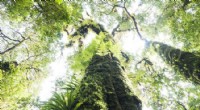
* Trees competing for sunlight: The tallest trees shade the smaller trees, forcing them to grow taller or adapt to lower light levels.
It's important to note that these are just a few examples, and the complexity of interactions between organisms is vast. Collaboration is a common theme in nature, showcasing the adaptability and interconnectedness of life.