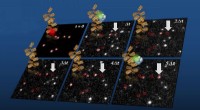
* Cutting DNA: Restriction enzymes act like molecular scissors, cutting DNA at specific recognition sites. These sites are short, unique sequences of DNA bases. Different restriction enzymes recognize different sequences.
* Creating Fragments: The enzyme cuts the DNA into fragments of varying sizes. These fragments can then be separated by size using electrophoresis.
* Analyzing Fragments: The resulting banding patterns on the gel (or other analysis methods) can be used to identify specific DNA sequences. This information can be used to:
* Species Identification: Different species have unique DNA sequences, allowing for identification of species present in the eDNA sample.
* Genetic Diversity: Analyzing the size and number of fragments can provide information about the genetic diversity of the organisms in the sample.
* Disease Detection: Specific DNA sequences can be targeted to identify the presence of pathogens or diseases in the sample.
In summary:
Restriction enzymes are crucial tools in eDNA analysis by providing a method to specifically cut and isolate DNA sequences, which can then be analyzed for species identification, genetic diversity, or disease detection.