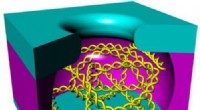
* Aquaporins are specialized protein channels that facilitate the rapid movement of water molecules across the cell membrane. They are made of hydrophilic amino acids that line the channel, allowing water molecules to pass through easily while repelling other molecules.
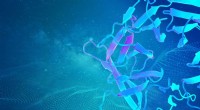
* Transport proteins are also made of amino acids, but their structure is more complex and they are designed to bind to specific molecules, like sugars. This binding triggers a change in the protein's shape, allowing the sugar to move across the membrane. Some transport proteins require energy to function (active transport), while others do not (passive transport).
Both aquaporins and transport proteins are essential for the cell's survival, as they regulate the movement of essential nutrients and waste products across the cell membrane.