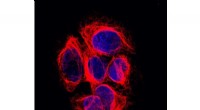
Here are the types of cells that undergo mitosis:
* Somatic cells: These are all the cells in the body except for germ cells (sperm and egg cells). Examples include:
* Skin cells
* Muscle cells
* Nerve cells
* Blood cells
* Bone cells
* Liver cells
* Stem cells: These are undifferentiated cells that have the potential to develop into different cell types. They undergo mitosis to produce more stem cells and also to create specialized cells.
* Some germ cells: While germ cells primarily undergo meiosis, some germ cells may undergo mitosis during early stages of development to increase their number.
Important Note: Germ cells (sperm and egg cells) undergo meiosis, a type of cell division that produces four daughter cells with half the number of chromosomes as the parent cell. This is crucial for sexual reproduction.